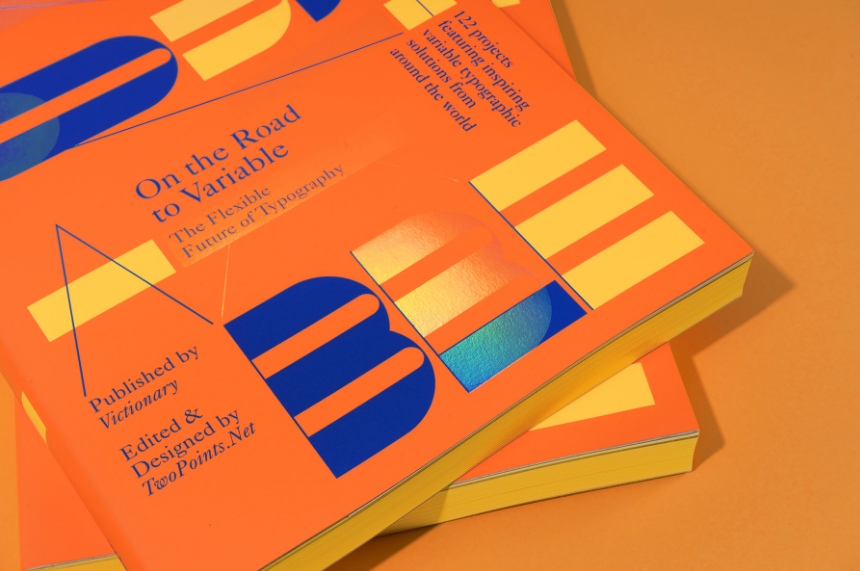
Variable Fonts: The Future of Flexible Typography
Variable fonts are an innovative development in typography that allows multiple font styles and weights to be stored within a single file. Instead of downloading separate files for bold, italic, or light versions of a typeface, a variable font gives designers and developers access to all variations in one compact format. This efficiency not only simplifies design workflows but also improves web performance by reducing the number of font files required.
Why Variable Fonts Matter
Greater Design Flexibility
Variable fonts give creators the ability to customize typography with precision. For example, instead of being limited to set weights like “Regular” or “Bold,” designers can adjust font weight along a continuous axis, choosing anything from ultra-thin to heavy. This freedom allows for fine-tuning that matches the exact mood and function of a project.
Improved Performance for Digital Platforms
One of the most significant advantages of variable fonts is their efficiency. With a single file containing multiple styles, websites and apps load faster, reducing lag and improving user experience. This is especially valuable in an era where speed and accessibility directly influence engagement and search rankings.
See also: 10 Innovative Tech Gadgets You Should Know About
Variable Fonts at TypeType
Wide Range of Families
TypeType offers a variety of variable fonts across its catalog. These include sans serif, serif, and display styles that adapt to a wide range of projects—branding, advertising, editorial design, and user interfaces. By offering variable versions of popular font families, TypeType ensures designers can maintain stylistic consistency while enjoying more flexibility.
Technical Reliability
Each variable font from TypeType is thoroughly tested to perform across different platforms, including desktop, mobile, and web environments. This technical precision ensures smooth scaling, consistent character rendering, and reliable legibility across sizes.
Licensing and Accessibility
Variable fonts from TypeType are available with flexible licensing options, making them accessible to freelancers, agencies, and enterprises. Users can also explore trial versions before committing, allowing them to experiment and find the best fit for their projects.
Benefits of Variable Fonts for Designers
Consistency Across Projects
With multiple weights and styles in one file, designers can easily maintain consistent typography. Titles, subtitles, and body text can all come from the same variable family, creating a cohesive look across digital and print applications.
Creative Storytelling Opportunities
Because variable fonts allow such precise customization, designers can use typography to support storytelling. Adjusting weight, width, or slant can subtly change the tone of a design—from formal and elegant to bold and dynamic—without switching to a different font.
Optimized for User Interfaces
In UI and UX design, clarity and performance are crucial. Variable fonts not only load quickly but also adapt seamlessly across devices. Designers can ensure that text looks sharp and professional on both high-resolution monitors and small mobile screens.
The Process Behind Variable Fonts
Design and Development
Creating a variable font requires thoughtful planning. Designers must consider how weight, width, and other characteristics will transition smoothly between styles. This involves building flexible axes that allow continuous adjustment while keeping the typeface’s personality intact.
Testing and Refinement
Variable fonts undergo extensive testing to ensure compatibility across browsers, operating systems, and design tools. This process ensures that the fonts perform as expected, regardless of how users choose to manipulate their styles.
Application Across Industries
From branding and advertising to digital interfaces, variable fonts are becoming a standard choice. They are particularly useful in responsive design, where typography must adapt to different screen sizes without losing impact.
Conclusion
Variable fonts represent a major shift in typography, combining flexibility, efficiency, and creativity in one format. They reduce technical barriers, improve web performance, and offer designers greater control over visual expression. Studios like TypeType are at the forefront of developing variable fonts that are both artistically versatile and technically reliable. As digital and print design continue to evolve, variable fonts are proving to be an essential tool for professionals who want to balance style, performance, and adaptability in their projects.