Smart Ways Homeowners Can Extend the Life of Their Roof
A roof is one of the most important systems in any home, yet it is often overlooked until a problem becomes impossible to ignore. By the time leaks, missing shingles, or interior stains appear, damage may already be progressing beneath the surface.
The good news is that many roofing issues are preventable. With consistent upkeep, timely inspections, and informed decisions, homeowners can significantly extend roof life and avoid unnecessary expenses. Preventive care is almost always more affordable than emergency replacement.
Why Roof Longevity Matters
Replacing a roof is a major investment, so maximizing the life of your current system makes financial sense. A well-maintained roof also helps protect:
- Structural framing
- Insulation and attic spaces
- Interior ceilings and walls
- Energy efficiency
- Overall resale value
When roofing materials deteriorate prematurely, the impact can spread far beyond the exterior of the home.
Start With Routine Visual Checks
You do not need to climb onto your roof to monitor its condition. In many cases, a ground-level inspection or a quick look from a safe vantage point can reveal warning signs.
Watch for:
- Curled, cracked, or missing shingles
- Sagging areas
- Granules collecting in gutters
- Rusted or lifted flashing
- Moss or algae growth
- Debris buildup in valleys
These small indicators often signal larger issues developing underneath.
Keep Gutters and Drainage Paths Clear
Water management plays a major role in roof performance. When gutters clog with leaves, dirt, or shingle granules, rainwater can back up under roofing materials or spill against siding and foundations.
To support roof longevity:
- Clean gutters regularly
- Check downspouts for blockages
- Confirm water drains away from the home
- Inspect fascia areas for moisture damage
- Remove debris after storms
Even a durable roofing system can fail early if drainage is consistently compromised.
Address Storm Damage Quickly
Wind, hail, and falling branches can shorten roof life dramatically. Some storm damage is obvious, but not all of it is easy to spot. Lifted shingles, punctures, loosened flashing, or hidden impact bruising may not cause immediate leaks.
That is why many homeowners choose to review options through the Ideal Precision Roofing website when researching inspections, repairs, and replacement guidance after severe weather. Taking action early often prevents minor storm damage from turning into widespread water intrusion later.
Ventilation Is Often Overlooked
Many homeowners focus only on shingles, but attic ventilation is just as important. Poor airflow can trap heat and moisture, accelerating material wear from below.
Proper ventilation may help reduce:
- Excess attic temperatures
- Moisture buildup
- Mold risk
- Premature shingle aging
- Seasonal strain on HVAC systems
If your attic feels unusually hot or damp, it may be worth having the ventilation system reviewed during your next roof inspection.
Trim Trees and Nearby Hazards
Overhanging branches create more roofing wear than many people realize. Branches can scrape surfaces during wind events, drop debris into valleys, clog gutters, or break during storms.
Keep surrounding trees maintained by:
- Trimming limbs away from roof edges
- Removing dead branches
- Monitoring large trees after storms
- Reducing heavy shade where moss tends to grow
This simple maintenance step can reduce both physical damage and moisture retention.
Know When Repairs Make Sense
A common mistake is assuming every roof problem means replacement is necessary. In many cases, targeted repairs can restore performance if the overall system still has useful life remaining.
Repairs may be appropriate when:
- Damage is isolated to one section
- Flashing has failed near vents or chimneys
- A few shingles were lost in wind
- Minor leaks were caught early
- The roof is otherwise structurally sound
The key is acting promptly before localized issues spread.
See also: What Is Glassmorphism and Should Your San Antonio Business Use It?
Schedule Professional Inspections Periodically
Even careful homeowners can miss hidden signs of deterioration. Professional inspections can uncover soft decking, failing seals, ventilation problems, and subtle storm damage before major symptoms appear.
A practical schedule may include:
- After significant storms
- Before listing a home for sale
- When buying an older property
- Every few years as the roof ages
- Any time interior moisture signs appear
Routine inspections help turn roof care into planned maintenance instead of crisis management.
Small Habits That Add Years of Performance
Roof longevity often comes down to consistency rather than dramatic interventions. These simple habits can make a measurable difference over time:
- Clean gutters seasonally
- Watch ceilings for stains
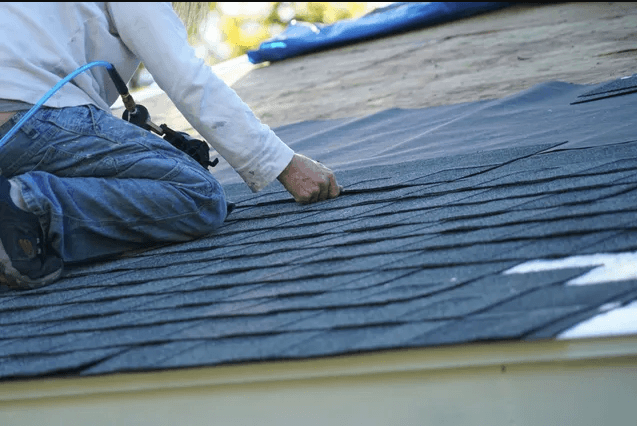
- Replace damaged shingles promptly
- Keep attic airflow unobstructed
- Remove debris after storms
- Trim nearby branches
- Document changes over time
None of these tasks are complicated, but together they help preserve the entire system.
Conclusion
Your roof protects nearly everything inside your home, so waiting until visible damage appears can be an expensive strategy. A combination of regular monitoring, smart maintenance, and timely professional support can help extend roof life significantly.
Homeowners who treat roofing as an ongoing asset rather than an occasional emergency are usually rewarded with fewer surprises, lower repair costs, and stronger long-term property value.