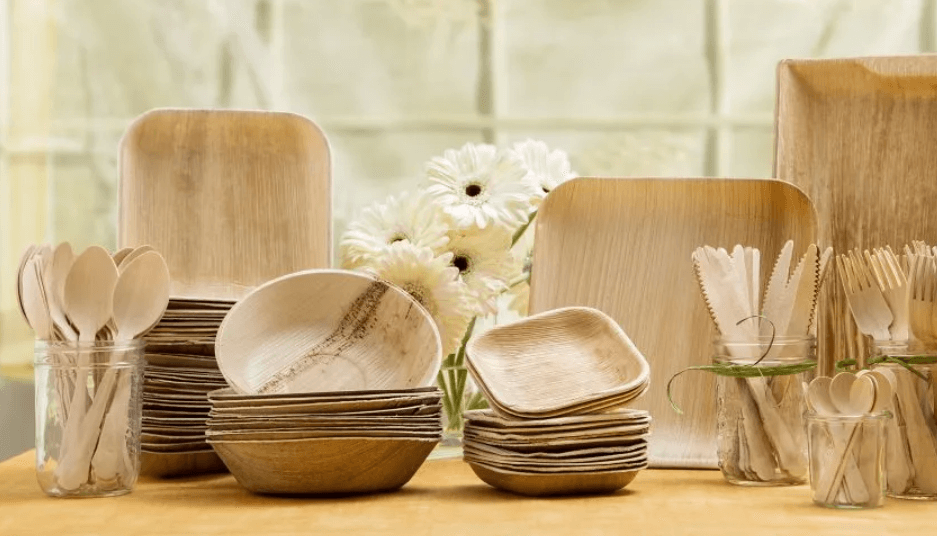
How to Choose Eco Disposable Tableware Materials
In the world of sustainable dining and green catering, the choice of disposable tableware materials can make a big difference. From wheat straw vs bamboo plates, each option comes with distinct benefits, trade‑offs, and ideal use cases. Understanding these differences can help restaurants, event planners, and eco‑conscious consumers make smarter decisions for both performance and sustainability.
Below, we’ll explore major material options (wheat straw, bamboo, wood, bagasse, sugarcane pulp, etc.), compare their properties, offer practical tips for selection, and guide you in choosing a trustworthy supplier.
Why Eco‑Friendly Disposable Tableware Matters
Traditional plastic disposables have long been criticized for their environmental harm: non‑biodegradable waste, microplastics, and landfill burden. Wikipedia Switching to compostable or biodegradable alternatives helps:
Reduce long‑term waste
Lower carbon footprint
Appeal to environmentally conscious customers
Comply with bans or regulations on plastic disposables in many markets
Disposable tableware made from wheat straw, bamboo, wood, or pulp fibers can break down naturally under proper conditions — making them a smarter choice for sustainable operations.
See also: Lower Your Stress This Year: A Refreshing Start for Mind and Body
Popular Materials: Pros and Cons
Let’s dive into the most commonly used eco materials, comparing their strengths and limitations.
1. Wheat Straw
Pros:
Made from agricultural residue (stalks after grain harvest) — uses waste otherwise discarded
Light in weight
Compostable under industrial or home composting conditions
Good in terms of cost vs performance
Cons:
Not as strong as solid bamboo or wood — may bend or warp with heavy or greasy foods
Sensitivity to moisture — may soften under prolonged contact with liquids
Limited heat resistance
2. Bamboo
Pros:
Strong and rigid (comparable to wood)
Naturally antibacterial
Excellent structural integrity
Sustainable: bamboo grows fast and regenerates
More premium look and feel
Cons:
Higher cost than wheat straw
Slight risk of warping if not properly processed
Requires good sourcing and quality control
3. Wood / Birch Wood / Palm Leaf / Pulp Fiber
Pros:
Strong and sturdy
More neutral aesthetics (wood look)
Often used in trays, boards, skewers, etc.
Cons:
Slightly heavier
More expensive
Some wood types may have variations (grain, knots)
4. Bagasse / Sugarcane Pulp
Pros:
Byproduct of sugarcane processing — uses waste material
Good for holding liquids
Compostable and biodegradable
Cons:
Heavier and bulkier
Cost may fluctuate
Moisture sensitivity
When to Use Each Material (Use Cases)
Choosing material depends on the context:
Light meals, dry foods, snacks: wheat straw plates perform well
Hot & greasy meals (pizza, curries, BBQ): bamboo or wood plates are more robust
Soups, saucy dishes: bagasse or pulp based tableware hold liquids better
Premium events, fine dining: bamboo or wooden plates with a higher-end finish
Outdoor/portable dining: lightweight wheat straw or bagasse variants
Matching performance to use ensures users aren’t disappointed and helps reduce wastage.
Selection Criteria: What to Ask When Sourcing
When you approach suppliers, ask or verify:
Certifications & food safety — e.g. FDA, LFGB, ISO, SGS testing
Composting / biodegradation proof — does the product degrade within reasonable time under composting conditions?
Raw material sources — is bamboo legally harvested, or is wheat straw residual?
Strength & thickness — weight per area, bending/warp resistance
Customization & printing — ability to print logos or designs
MOQ, lead times, pricing tiers
Quality control & batch consistency
Packaging and transit protection — to prevent damage in shipping
AnzhuCraft, for instance, is a manufacturer that specializes in eco‑friendly disposable tableware made from bamboo, wood, and paper. Cava Menu+1 They offer customizable designs, strict batch inspection, and global logistics support — making them a model for what to look for in a supplier.
Tips to Maximize Performance & Minimize Waste
Select appropriate thickness: don’t over‑specify thickness where not needed
Pretest with your menu: run trials with your meals to detect failures
Store dry & ventilated: moisture can weaken straw and pulp materials
Educate staff on handling: avoid stacking heavy loads, prevent flexing
Communicate disposal methods: customers and staff should know how to compost or dispose
Bundle with branding: custom printing adds perceived value with low cost
Supplier & Manufacturing Considerations
When dealing with manufacturers (especially overseas), keep these in mind:
Request sample orders and prototypes
Inspect photos/videos of production
Ask for certifications and test reports
Negotiate split orders to manage risk
Confirm packaging, shipping, and customs documentation
Establish clear warranty or defect policies
Given the popularity and technical demands, choosing the right supplier is critical to maintaining quality and reputation.
Trend Watch: Innovations in Eco Tableware
Hybrid materials: combining wheat straw + pulp or bamboo + resin for better strength
Coating & treatments: using water‑based, food-grade coatings to improve moisture resistance
Edible tableware: new experiments in “eating your plate”
Recycled composites: using post‑consumer plant fibers
Smart composting labels: QR codes for proper disposal instructions
Staying ahead in sourcing innovation helps brands maintain competitiveness.
Final Thoughts
Choosing the right eco disposable tableware material isn’t trivial — and getting it wrong can lead to frustrating failures. By comparing wheat straw vs bamboo plates, exploring wood and pulp alternatives, and knowing what criteria and supplier practices matter, you can make informed decisions that balance cost, performance, and sustainability.