
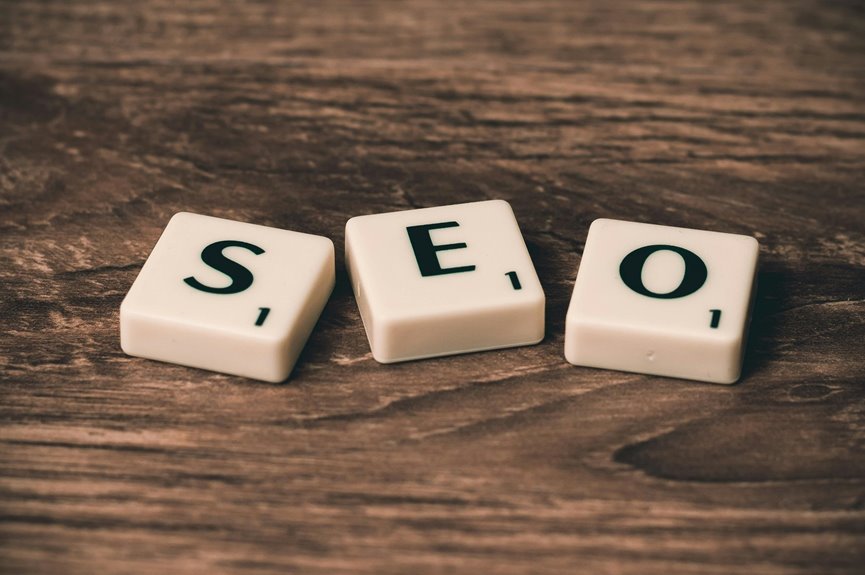
Page Ranking 910791776 With On-Page Optimization
Page ranking 910791776 emphasizes the critical role of on-page optimization in achieving higher visibility and improved search engine rankings. By strategically utilizing keywords, structuring header tags, and ensuring content quality, websites can significantly enhance user engagement. Furthermore, the integration of optimized meta tags and effective internal linking can streamline search engine indexing. Understanding these elements is essential for any website aiming to strengthen its online presence and attract organic traffic. What strategies can be employed to maximize these on-page factors?
Understanding On-Page Optimization and Its Importance for Page Ranking
On-page optimization serves as a critical component in the broader landscape of search engine optimization (SEO), directly influencing a website’s visibility and ranking on search engine results pages (SERPs).
By strategically managing keyword density and enhancing user experience, websites can effectively align with search engine algorithms.
This focus not only improves rankings but also fosters greater user engagement, ultimately empowering visitors in their online journeys.
Key On-Page Elements to Enhance Your Website’s Visibility
Enhancing a website’s visibility requires a strategic focus on several key on-page elements that directly impact search engine rankings.
Effective keyword usage throughout the content ensures relevance, while appropriately structured header tags facilitate easier navigation and improve user experience.
How Does Content Quality Affect Page Ranking and User Engagement?
How does the quality of content influence both page ranking and user engagement?
High-quality content that maintains content relevance directly enhances user satisfaction and encourages visitors to spend more time on a site.
This positive interaction signals to search engines that the content is valuable, leading to improved page ranking.
Thus, investing in quality content is crucial for achieving optimal online visibility.
Best Practices for Meta Tags and Internal Linking Strategies
Effective use of meta tags and internal linking strategies can significantly impact a website’s search engine optimization (SEO) efforts.
Optimizing meta descriptions with relevant keywords enhances visibility, enticing users to click.
Additionally, strategic internal linking not only improves navigation but also distributes page authority effectively.
Together, these practices facilitate better indexing by search engines, ultimately fostering user engagement and enhancing organic traffic.
Conclusion
In the digital landscape, on-page optimization serves as the lighthouse guiding search engines and users through the vast ocean of content. By meticulously crafting each element—from keywords to meta tags—webmasters can sculpt an inviting shoreline that draws in organic traffic. As the waves of high-quality content crash against the rocks of user engagement, a well-optimized site stands resilient, ensuring visibility and relevance in an ever-evolving online world. Thus, strategic on-page practices illuminate the path to improved page ranking.


