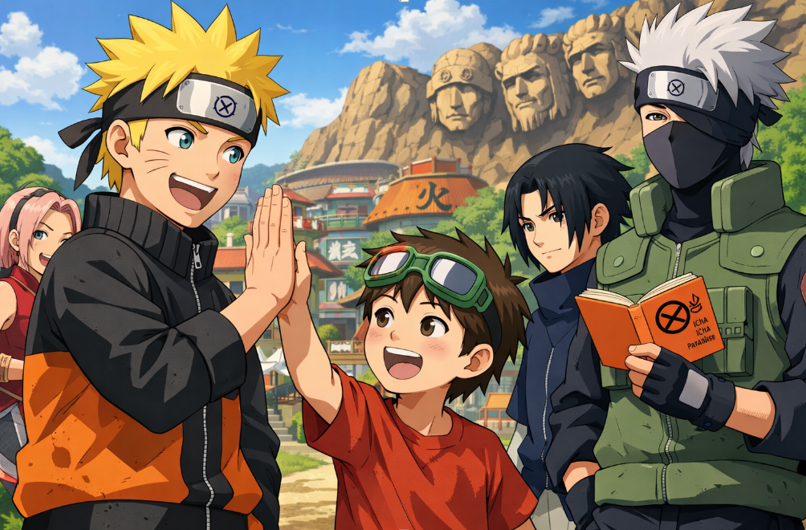
Is Naruto the right anime for every age group?
Few anime have left as strong a cultural footprint as Naruto. With its gripping storyline, iconic characters, and emotionally intense moments, it has captured the hearts of millions from young teens to grown adults. But this popularity raises an important question: Is Naruto suitable for all ages, or should some viewers steer clear? This isn’t just about blood and battles. It’s about understanding the emotional weight, complexity, and sometimes even disturbing themes that can show up across Naruto and Naruto Shippuden. Parents want to know if it’s okay for their 10-year-old. Young fans want to know if they’re too young to understand it. And longtime anime lovers want to reflect on whether it’s truly kid-friendly or meant for a more mature audience. In this article, we’ll break it all down: the content, the age ratings, the psychological themes, and where the anime might be too much (or just right) for different viewers. We’ll also help you figure out how to watch Naruto safely and even enjoyably for different age groups. Let’s explore whether Naruto is a hero’s journey that truly fits all ages, or if it demands a bit more maturity than it first appears.
What’s the official age rating for Naruto in Australia?
In Australia, the Naruto anime series generally falls under the PG and M ratings depending on the season and version. This means Parental Guidance is recommended, and some material may not be suitable for children under 15. So, what earns Naruto these ratings? A mix of intense action scenes, psychological trauma, and themes of death, war, and revenge. Early episodes are milder and focus more on humour and friendship. But as the story progresses, especially in Naruto Shippuden, the tone darkens considerably.
Parents considering Naruto for younger children often ask: Is it too violent? Is it emotionally heavy? The short answer is: sometimes, yes. While the animation might look colourful, the content can cut deep like a kunai in the dark. To explore more about the characters in a lighter and collector-friendly way, many parents and fans turn to this range of Naruto figures that reflect the fun side of the series without the darker storylines.
Does Naruto deal with mature or dark themes?
Absolutely. One of the reasons Naruto stands out is because it doesn’t shy away from hard truths. Throughout the series, even from the very first season, there are moments where viewers are forced to confront topics like childhood neglect, war trauma, death, and sacrifice. Let’s take Naruto’s own backstory: he’s a child ostracised by an entire village, growing up without his parents and constantly seeking love and validation. That’s already a heavy premise for a younger child to process.
As the story progresses, we meet characters who’ve witnessed genocide, betrayal, and moral ambiguity. It’s not just physical battles there are philosophical and emotional wars going on in nearly every arc. Of course, this doesn’t mean children can’t enjoy Naruto. But context is everything. Watching it with a parent or guardian who can explain things or pause during heavier episodes makes a big difference. For those seeking to explore the lighter side of anime or find shows more suitable for younger viewers, the broader collection at anime figures offers great family-friendly content and merchandise.
What age is Naruto most appropriate for?
There isn’t a one-size-fits-all answer here. Naruto is a long-running anime with over 700 episodes (when including Shippuden), and the tone evolves with the audience.
Younger kids (under 10)
The early parts of the original Naruto series might seem appealing slapstick humour, training montages, and school rivalry. But even these episodes include scenes of blood, death, and emotional stress. For kids under 10, it’s generally not recommended without adult supervision.
Pre-teens and teens (10–14)
This is the most common age group watching Naruto. Many are drawn to the characters’ development, dramatic storytelling, and moral dilemmas. If your child is emotionally mature and used to fantasy violence, Naruto can be enriching and even inspiring offering strong themes about perseverance, loyalty, and identity.
Older teens and adults (15+)
This is the ideal demographic for the entire Naruto universe. They’ll appreciate the nuanced political struggles, the psychological depth, and the morally grey character arcs. There’s a reason many Naruto fans stay attached into adulthood the story grows with you.
What should parents be aware of when showing Naruto to their kids?
Here are some core elements that parents should keep in mind:
- animated violence
- death of main characters
- war themes
- blood and injury scenes
- flashbacks with emotional trauma
- mild profanity (in English dubs)
- occasional suggestive content
- psychological tension
- revenge and loss
While none of these make Naruto “adult-only”, they’re worth knowing especially when younger children are involved. The creators never dumbed the story down. It has depth, and with that comes emotional weight. That said, this emotional depth is also what makes the series so powerful. Characters learn from their pain. Naruto shows kids that struggles can make you stronger a message that resonates long after the screen goes dark.
See also: Finding Trustworthy Providers for Instagram Likes
Does Naruto offer any educational or positive messages?
Despite its intense moments, Naruto is filled with strong moral lessons. If filtered appropriately for the viewer’s age, it can be tremendously inspiring. Many young fans relate deeply to Naruto’s perseverance in the face of rejection, or Rock Lee’s commitment despite lacking natural talent. Some of the positive themes Naruto teaches include:
- loyalty
- resilience
- teamwork
- empathy
- standing up for others
- learning from failure
Parents watching alongside their children often use these moments as talking points. It’s not just “cartoon fighting” it’s a journey through life’s highs and lows presented in metaphorical, often beautiful, ways.
Is Naruto a safe anime for all ages?
In short: Naruto isn’t dangerous for younger audiences but it’s not exactly designed for them either. While its colourful art and likeable characters may appear child-friendly at a glance, the core of the anime deals with complex and sometimes disturbing ideas. This doesn’t mean kids should avoid it completely just that guidance and maturity matter. If you’re a parent, try previewing the show or watching alongside your child. If you’re a teen wondering whether it’s “too much” the answer is probably no, as long as you’re ready for some emotionally heavier content. As one of the most iconic anime ever made, Naruto continues to inspire across generations. Whether you’re in it for the ninja battles or the emotional journeys, there’s something valuable in the story for every age with the right understanding.